
why this play & why now
"Stop watching me."
Chante’s final words are not a plea, they are a command. They demand that we as audiences, artists, and citizens examine what we have been watching and judging, and why.
We live in a moment of reckoning with race, power, and the stories we tell about who belongs and who doesn't, who is seen and who is merely watched.
HUMID is not just a commentary on this moment, it is a mirror held directly up to it.
At its core, HUMID is a play about the cost of aspiration in a society that dangles inclusion as a promise while methodically withholding it. Chante´ Reynold is not a victim of ignorance, she is a victim of full awareness.
She understands precisely how power works, who holds it, and what it demands. She has done everything right. And it destroys her anyway.
In this, she speaks directly to the experiences of countless othered women in America today who navigate professional, social, and personal spaces in which the rules were written without them in mind and can be rewritten — or weaponized — at any moment.
HUMID interrogates several of our most urgent conversations:
The racial wealth gap and economic precarity. Chante's financial vulnerability is not incidental — it is the engine of her destruction. The play exposes how quickly economic instability strips away agency, dignity, and protection, particularly for othered women who have the least margin for error and the fewest institutional safety nets.
The betrayal of othered women. George's arrangement with Bemelman is not simply a husband's betrayal — it is the specific, historical betrayal of othered women by the white institutions and individuals they have trusted, supported, and in many cases, built. The play refuses to let this land as mere plot point; it lands as indictment.
Sexual violence and institutional indifference. Chante´'s assault by Bemelman, and the subsequent use of legal and institutional machinery to punish her rather than protect her, reflects a reality that movements like #MeToo have worked tirelessly to expose — that for othered women, justice is not a given, and power protects itself. The play asks the question: Who is believed and who is not.
The surveillance of “othered” bodies. From the play's opening moments, Chante´ is watched — by her employees, by her nephew, by Bemelman from an apartment window across the street.
This surveillance is structural, in that it echoes our urgent national — international — conversation about the policing, monitoring, and controlling of othered lives, bodies, and ambition.
Identity, assimilation, and belonging. Jackson's confrontation with Chante´ — "just 'cause you got out don't mean you ever left" — cuts to the heart of a tension that reverberates across American culture: the impossible bind faced by those who dare to leave behind the circumstances of their birth, only to find themselves belonging fully to neither world. This is the conversation happening in boardrooms, in universities, in families, and on social media every day.
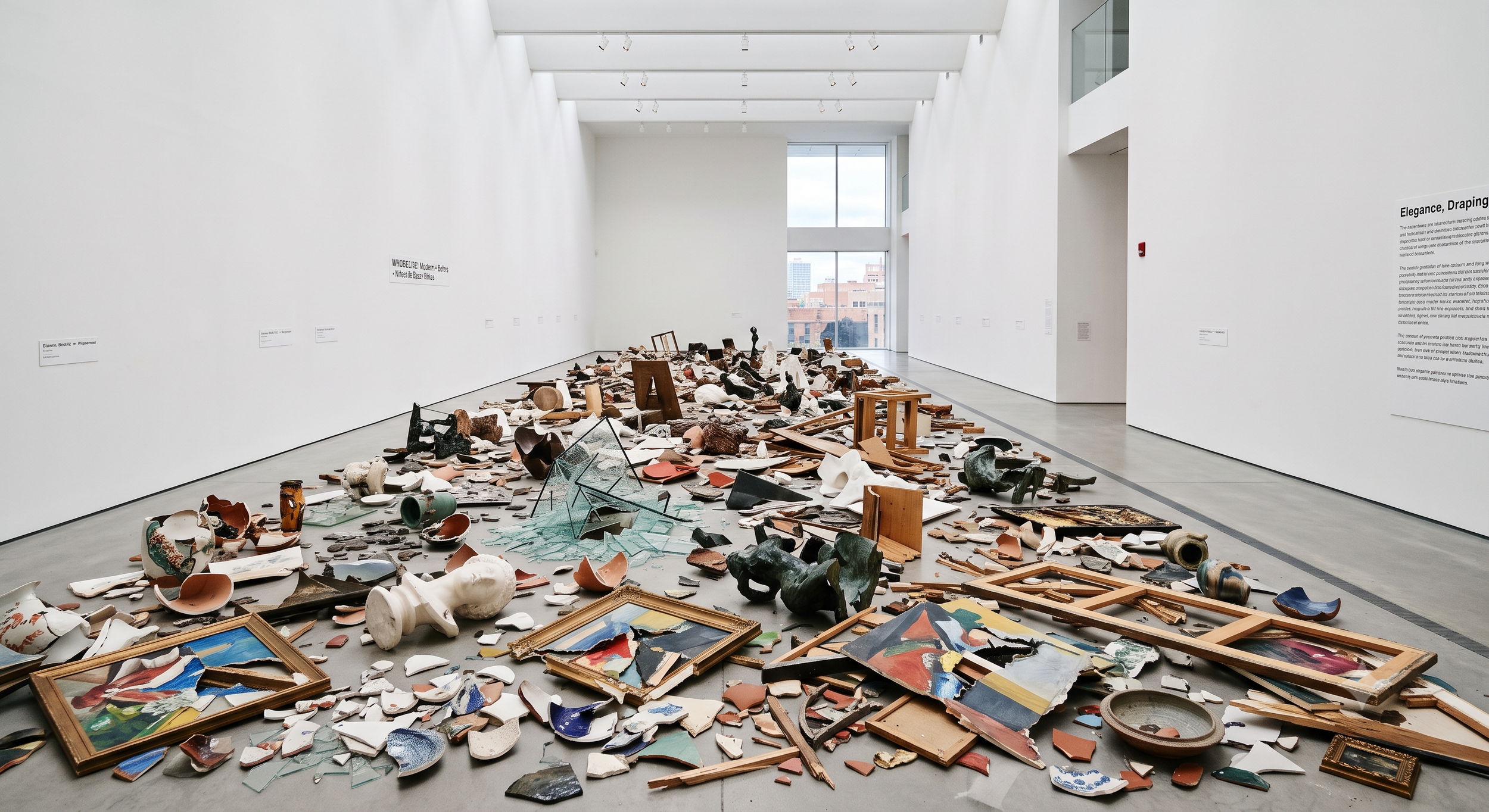
The objectification and commodification of women. Bemelman's collection of art and antiquities is inseparable from his treatment of Chante´. She is, in his eyes, an object that is rare, exotic, and acquirable.
HUMID draws a direct line between the way society values objects and the way it devalues women, asking: What is the difference between a collector and a predator?
HUMID does not offer easy resolutions, because there are none.
What it offers instead is the radical act of bearing witness to a woman who was brilliant, who was real, who was dangerous, and who was failed by every system and every person around her.